
Are Sharks Mammals? Let’s Dive into the Science Behind These Ocean Giants
When you look at a shark in an aquarium or YouTube video or while working on a school project, you might ask yourself: Wait a minute… is that a fish or a mammal? You’re definitely not alone. The ocean contains sharks, which remain among its most enigmatic and captivating marine creatures, while their characteristics often create confusion.
The swimming behaviour of sharks resembles that of fish, but most reproduce by giving birth to live young, and some species maintain body heat in freezing waters. The question of whether sharks belong to the mammal category seems reasonable. Or are they something completely different?
We will examine this topic together, using scientific evidence, along with fascinating facts and a great deal of curiosity about sharks.

What Makes an Animal a Mammal, Anyway?
We need to understand the definition of a mammal before determining if sharks belong to this group.
Here’s what most mammals have in common:
- They breathe air using lungs (even whales and dolphins!)
- They have hair or fur at some point during their life
- They are warm-blooded, which means they can control their body temperature
- They give birth to live babies (usually)
- They feed their young milk from special glands
The group of mammals includes dogs, cats, lions, elephants and humans, among others. The marine animals, such as whales, seals, and dolphins, qualify as mammals because they fulfil all the necessary criteria.
Now ask yourself — do sharks have any of those features?
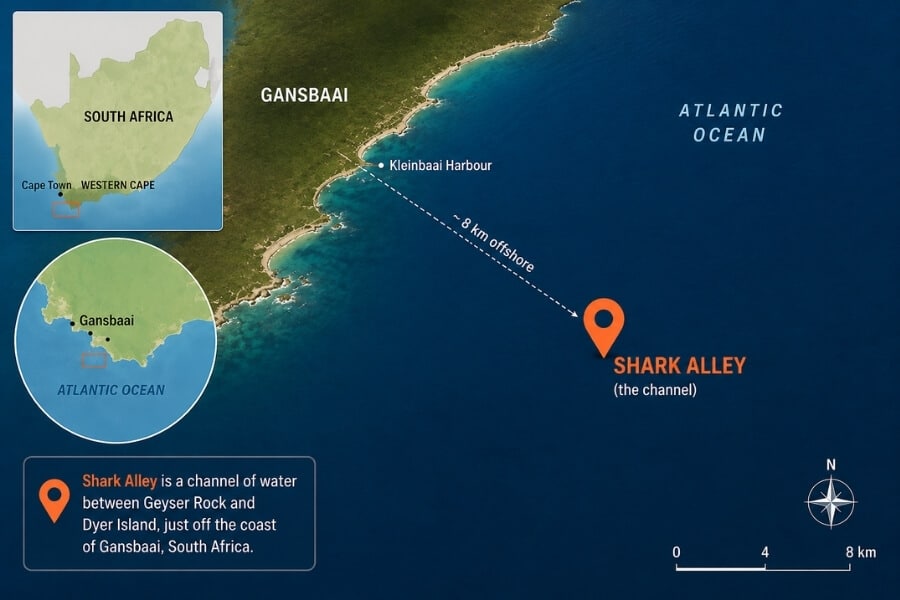
Are Sharks Mammals or Fish? Here’s the Real Answer
Sharks exist entirely outside the mammalian category. Cartilaginous fish represent a special fish group to which sharks belong. The entire skeleton of sharks consists of cartilage, which has the same flexible, rubbery properties as the cartilage found in human noses and ears.
Fish use gills to extract oxygen from underwater water, while sharks employ the same method. The reproductive process of most fish involves egg-laying, but sharks either give birth to live young or lay eggs, and they do not provide milk or parental care, unlike mammals.
The shark’s fish classification remains unchanged despite its super-sharp teeth, powerful swimming abilities, and intimidating reputation.
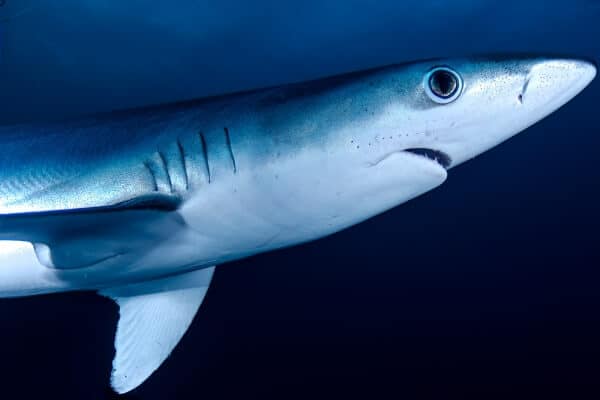
Why Do People Get Confused? Sharks Are Pretty Mammal-Like
The question about sharks being mammals is not absurd because they share some characteristics with mammals. People (even adults!) sometimes confuse sharks with mammals because of these specific reasons:
- Some shark species reproduce by giving birth to living offspring similar to mammals. It’s true! The great white shark, along with the tiger shark and many other shark species, gives birth to live young instead of laying eggs.
- Some sharks are partially warm-blooded. The fish world rarely experiences this phenomenon, but particular shark species maintain body temperatures above those of the surrounding ocean water.
- They’re intelligent. Sharks possess learning abilities and memory functions, and they also exhibit emotional responses such as curiosity and fear. Their complex behaviour makes them seem similar to dolphins and whales.
All their impressive characteristics do not qualify them to become members of the mammal group.
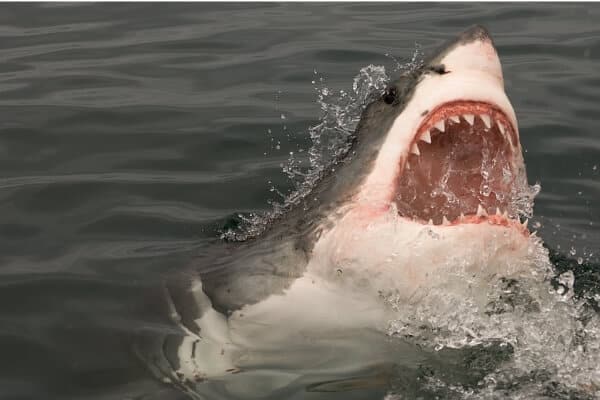
So What Kind of Fish Are Sharks Exactly?
Sharks are not typically classified within the fish category, which includes goldfish, guppies, and tuna. Elasmobranchs form a special group which includes both rays and skates.
Elasmobranchs possess unique characteristics that distinguish them from the majority of fish species.
- Their skeleton is made of cartilage instead of hard bones
- Their heads contain five to seven gill slits on each side, while bony fish possess only one gill slit.
- Their bodies lack swim bladders, so they must constantly swim to remain buoyant or they will sink – not all, but most!
Sharks have survived for more than 400 million years in the ocean, predating the appearance of dinosaurs on Earth. Talk about ancient!
Still Confused? Here’s a Handy Comparison Chart Between Sharks And Mammals.
| Feature | Mammals | Sharks |
|---|---|---|
| Breathe air | Yes (lungs) | No (gills) |
| Have hair or fur | Yes | No |
| Give birth to live young | Yes (mostly) | Some do, some lay eggs |
| Warm-blooded | Yes | Only a few species |
| Produce milk | Yes | No |
| Skeleton type | Bone | Cartilage |
Pretty cool, right? The cartilaginous skeleton serves as a significant indicator that sharks belong to the fish category, rather than the mammalian category.
What’s Shark Cartilage, and Why Does It Matter?
The lightweight, flexible nature of cartilage enables sharks to achieve fast and elegant water movement. The cartilage structure provides enough support for the body while remaining significantly lighter than bone. The absence of swim bladders in sharks makes their lightweight body structure particularly advantageous, as they rely on liver buoyancy and movement to stay afloat.
Sharks maintain their buoyancy through their liver and movement, as they do not possess swim bladders. The system operates independently from the mammalian system.
How Do Sharks Breathe? (Spoiler: Not With Lungs)
Sharks use gills to breathe just as all other fish do. The water enters their mouths before it exits through the gill slits located on the sides of their heads. The gills extract oxygen from the water as it passes through.
Great white sharks, along with other species, need continuous swimming to survive. The movement of fresh water through their gills remains constant because of this method. The remaining sharks possess the ability to use their gill pumping mechanism for water flow during periods of rest.
Here’s the simple fact: Sharks do not breathe air – so they are definitely not mammals!
Fun Shark Facts to Impress Your Friends (or Your Teacher)
To sound like an expert on sharks, you should remember these simple but awesome facts:
- Sharks have no bones!
- They’ve been around for over 400 million years — older than dinosaurs
- Some sharks give birth to live baby sharks (called pups)
- They can smell a drop of blood from kilometers away
- The biggest shark (the whale shark) can grow longer than a school bus!
- Sharks never run out of teeth — they keep growing new ones like a conveyor belt!
Sharks Are Fish — But They’re in a League of Their Own
The conclusion indicates that sharks belong to the fish category, not the mammal category. But they’re not just any old fish. These ancient creatures have evolved into powerful swimmers, clever hunters, and vital components of our ocean ecosystems.
The facts about sharks are now clear to you after learning about their breathing process, the great white shark skeleton structure (and others), and their relationship to dolphins (spoiler: they are not related).
If you want to observe real sharks in their natural habitat, such as oceanic blacktip sharks, then you have come to the right location. Let’s help you go shark cage diving in Durban! And if you are a fish lover in general (especially large predatory fish!), visit the V&A Aquarium whilst in South Africa!
Want to Dig Deeper? Here’s a Great Resource
If you’re hungry for more shark science, check out the Smithsonian Ocean Portal’s Shark 101 article! It’s full of reliable information and great for school projects, homework, or just satisfying your curiosity.