
Marine Conservation And Why Protecting Our Oceans Matters
Marine Conservation is vital to our planet. The ocean can seem almost endless. It has immense power. Marine ecosystems underwater, however, have been negatively impacted by fishing, pollutants, habitat loss from human activities, and climate change. Marine conservation is an effort to protect marine ecosystems, marine wildlife, and the ecological processes that keep the world’s oceans functioning. Every level of the marine environment is linked, from large whales and big sharks to small zooplankton (plankton), because each animal in the marine environment is interdependent. Protecting a single species will generally protect its food source, its habitat, and many other animals that rely on those same elements.
Therefore, marine conservation is far greater than just trying to save specific individuals. Marine conservation involves understanding how marine ecosystems operate, reducing the negative effects of human interactions with the marine environment, restoring habitats, and developing ways for humans to live sustainably alongside marine wildlife. Anyone interested in sharks, whales, dolphins, seabirds, or the ocean itself will find that learning about marine conservation offers a unique insight into how interconnected life under the sea truly is.
What Is Marine Conservation?
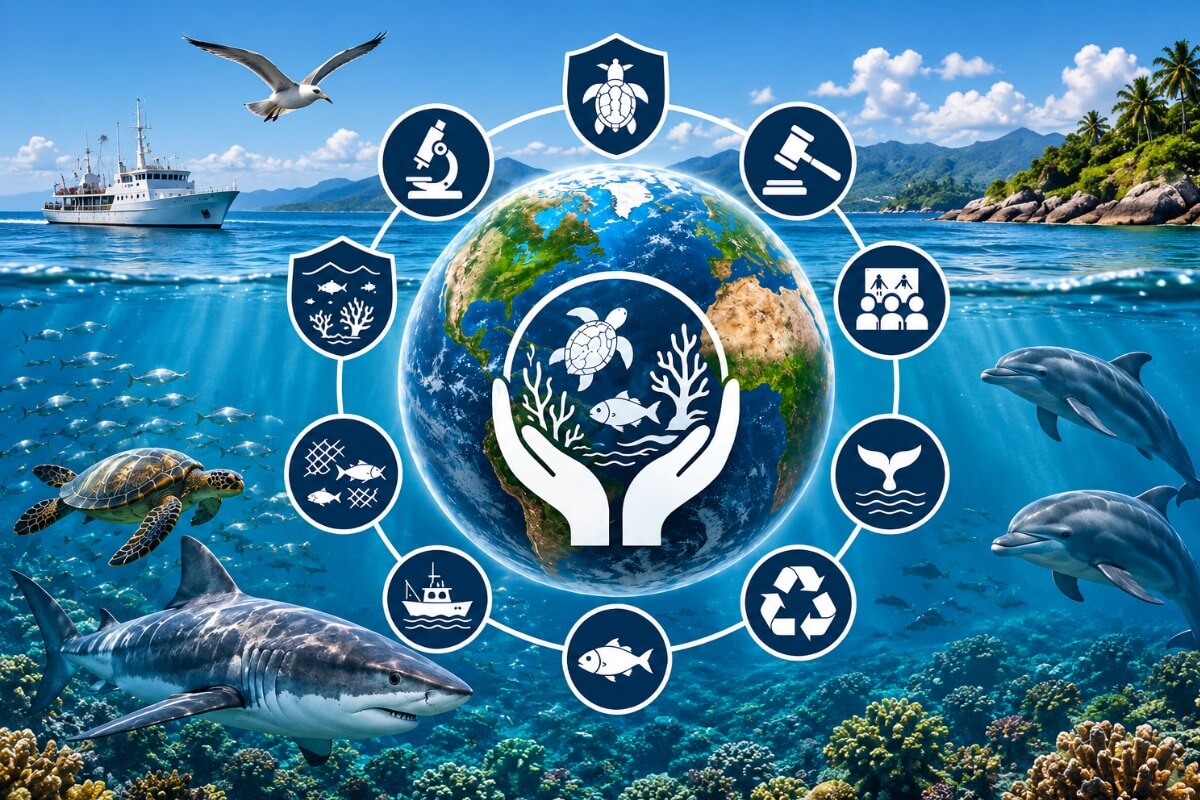
Marine conservation is a holistic approach that protects ocean ecosystems (including marine life), manages them responsibly, and restores degraded marine ecosystems; this includes coastal systems, their biodiversity, natural habitats and marine species. Combining science (research), policy (legislation), education, and practical action, it aims to address the many challenges threatening our marine ecosystems.
Examples of marine conservation activities are:
- Protecting endangered marine animals
- Establishment and management of marine protected areas (MPAs)
- Reducing marine litter and other pollution in seas and oceans
- Preservation and protection of critical breeding grounds and nurseries for fish and other marine animals
- Sustainable use of fisheries
- Restoration of damaged coastal ecosystems
- Reduction of incidental catch of marine animals
- Monitoring of shark populations, whales, dolphins, etc.
- Education of local people, tourists, etc. concerning marine ecosystems
- Scientific research
- Development of responsible wildlife tourism
Why Is Marine Conservation Important?
Marine Conservation (as a whole) makes sense when viewed as an ecological “web” rather than as individual species. Predation depends upon prey. Nursery Habitat for juvenile fish. Coastal Ecosystems as habitat & food source for predators. Nutrient Cycling by scavengers. The food web foundation is formed by tiny organisms that support animals hundreds or even thousands of times larger than themselves.
Significant alteration of one element of this web will often have significant impacts on all other elements. The goal of Marine Conservation is to preserve the relationships among these elements while enabling humans to continue using marine resources sustainably over time. Healthy marine habitats are valuable to humans; they supply food, employment, recreational activities and economic opportunities to people and communities around the world. Therefore, protecting the ocean is both an environmental issue and an issue of humanity’s health and well-being.
What Are the Biggest Threats to Marine Ecosystems?
Threats to oceanic environments vary widely across regions and ecosystem types; the pressure from many threats differs by location and environment.
Several major challenges affect the ability to conserve the world’s oceans, including the following:
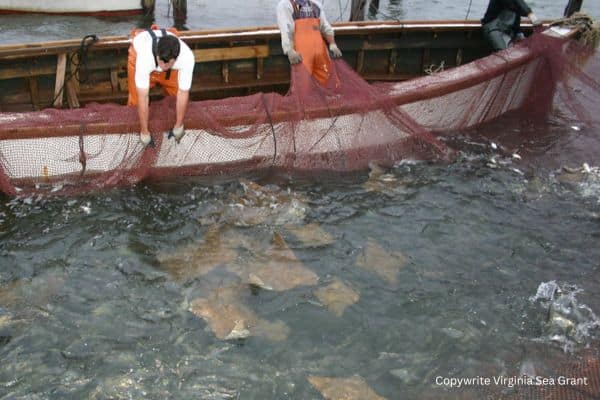
- Overfishing: When fish populations are overharvested, fewer animals remain than before; if too many individuals are removed, fewer fish are available to produce offspring. However, unsustainably harvesting fish does not only impact the targeted species. Removing large numbers of predator and/or prey species from a population can disrupt the food web and negatively affect other species in the same ecosystem. Therefore, sustainable fisheries practices play a significant role in long-term ocean conservation.
- Bycatch: Not all of the animals captured with commercial fishing equipment are the target species. In fact, sharks, rays, turtles, seabirds, dolphins and other non-targeted species can be incidentally caught in commercial fishing gear. This unintentional catch is called “bycatch.” Improving fishing practices, methods, and equipment, along with better management, can significantly reduce bycatch, protecting endangered marine populations while still promoting sustainable commercial fisheries.
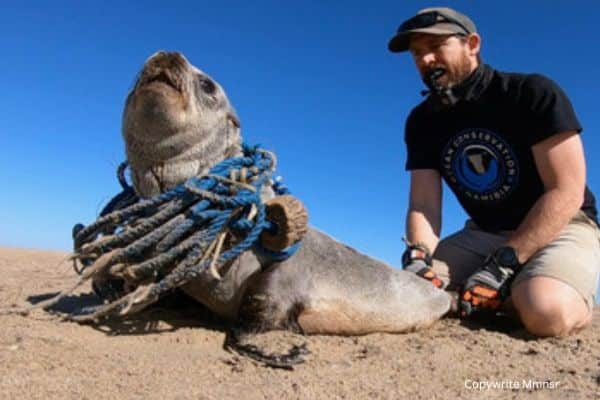
- Pollution (Specifically Plastic): While there are many signs of human effects on our planet, none are more visible than plastic pollution in the ocean. Bottles, bags, packaging, lost/dumped fishing gear and millions of small plastic fragments have entered marine environments via river runoff, stormwater systems, beach use and coastal activities. Animals ingest plastic, mistaking it for food, or get tangled in lost plastics. Larger items eventually break down into smaller pieces called microplastics.
- Abandoned/Lost/Discarded Commercial Fishing Gear: Lost commercial fishing lines, hooks, ropes and netting remain in marine environments for extended periods of time after abandonment. Marine life becomes trapped or harmed by this debris. Abandoned fishing gear continues to catch animals without an active person on board – a problem often referred to as “ghost fishing”. Cleaning up abandoned fishing gear from marine environments and implementing prevention measures are both realistic and effective ways to contribute to marine conservation.
- Loss/Damage of Habitat: Marine life depends upon adequate habitat for feeding, breeding and raising young. Examples of important marine habitats include coral reef systems; rocky reefs; estuary/mangrove/seagrass/kelp forest/sand/rock/pebble coastal wetlands; and deep-sea environments. Damage to these habitats can ultimately lead to declining marine populations by reducing habitat availability for reproduction, feeding, and young rearing. As such, habitat conservation represents one foundation of preserving biodiversity in the ocean.
- Climate Change: Climate change has created new obstacles to maintaining healthy ocean ecosystems. Rising global temperatures, changes in the ocean’s chemical composition, rising sea levels, and more frequent marine heat waves will alter where marine species live, how they interact with each other, and the shape their sensitive habitats take. Marine Protected Areas (MPAs) will never mitigate climate change, but MPAs managed properly can provide some relief from additional stressors to ecosystems and increase their resiliency.
How Does Marine Conservation Protect Ocean Wildlife?
Protecting marine wildlife involves much more than simply avoiding direct harm. Conservationists must protect all aspects of an animal’s life cycle, including adequate food supplies; suitable breeding locations; a habitat that allows the individual animal to reach reproductive age; and/or an environment where the animal has enough time to live until it reproduces.
Therefore, when considering marine wildlife conservation, the entire life cycle of the animal must often be considered. For example, protecting adults in a fish population will likely only provide limited success for conservation efforts, as juvenile fish require coastal nursery habitat to grow into adults. Similarly, conserving a migratory animal is unlikely to succeed unless the same level of threat or severity does not exist along the rest of its migration route. As such, marine wildlife conservation is increasingly focused on large-scale systems (i.e., habitats, migration routes, food webs) rather than solely on protecting individual species.
What Are Marine Protected Areas?
Marine Protected Areas (MPAs) are parts of the ocean with a level of protection to ensure their conservation. Protected areas can vary in type and level of protection; for example, some may allow commercial fishing, while others restrict fishing entirely or are closed to all extractive and/or recreational activities, such as boating and sailing. If properly implemented, MPAs help preserve marine habitats & biodiversity, and the ecological processes that support them.
MPAs can protect:
- Breeding Grounds
- Nursery Areas
- Feeding Habitats
- Migration Routes
- Sensitive Ecosystems
- Threatened Species
- High Biodiversity Zones
However, simply defining an area as an MPA does not necessarily provide any benefit. To be successful, they need to be effectively managed, monitored, enforced, and appropriately located.
Why Are Sharks Important to Marine Conservation?
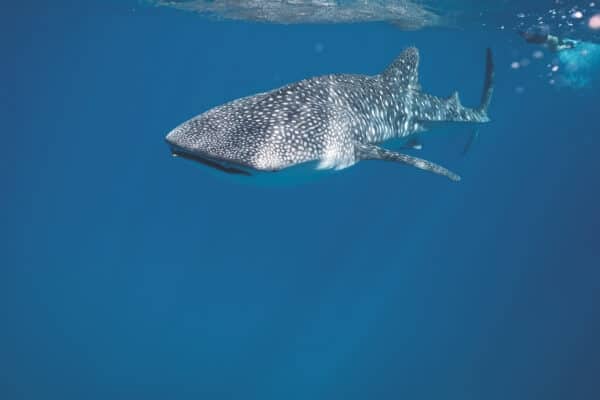
Because sharks play so many ecological roles in their ecosystems, they need to be addressed in marine conservation efforts. There are hundreds of shark species, ranging from very large predatory sharks to extremely small bottom-dwelling species and huge filter-feeding sharks.
Sharks’ diets, and therefore their ecological functions, vary greatly. Some predatory sharks can affect prey population sizes and behaviour. Other predatory sharks eat fish, squid, crabs, lobsters and other marine animals. The filter-feeding sharks consume plankton and smaller marine animals. It would be less accurate to think of all sharks being the same type with the same function in the marine food web, but instead recognise them for what they are: a diverse group with many different functional areas in the marine food web.
In order to protect sharks, methods may include:
- Manage sustainable fisheries practices.
- Decrease bycatch (accidental capture).
- Protect vital habitats.
- Monitor populations.
- Prevent illegal overfishing.
- Use scientific techniques for tagging and study.
- Support responsible wildlife tourism.
- Educate the public.
When making conservation decisions, it is best to use scientific data and knowledge about each specific species.
How Does Scientific Research Support Marine Conservation?
Without adequate knowledge of the organisms being protected in order to preserve marine life, we will not be able to effectively protect these organisms. In studying marine ecosystems, researchers use a variety of methods, such as tagging, underwater surveys, genetic analysis, satellite tracking, acoustic monitoring, assessments of population levels, and long-term observations.
Studying Marine Ecosystems can provide researchers with information that can lead to determining:
- Where animals migrate.
- Which areas or habitats an animal uses.
- Where an animal reproduces.
- What type(s) of food an animal consumes.
- How rapidly does a population reproduce.
- How does a population fluctuate over time.
- Human activities that pose the greatest threat to an ecosystem.
The necessity of scientific monitoring is most apparent when considering how much Ocean Environments are always undergoing change. Additionally, researchers can adjust conservation efforts as they gain a better understanding of species and ecosystems.
What Role Does Education Play in Marine Conservation?
Education is one of the most powerful long-term conservation tools available today. People generally care more about environments and animals they understand. Once someone learns how a marine animal feeds, breeds, migrates and interacts with its environment, that animal becomes more than something simply interesting, strange or frightening. Sharks provide a particularly good example. Popular culture has frequently portrayed sharks as dangerous predators. However, learning about biology shows us that this group of animals has much more complexity than just its role as predators.
This group includes extremely diverse animals with different diets, behaviours, habitats and ecological roles. Education can replace fear with curiosity, and curiosity can promote conservation. The same principle applies throughout the marine environment.
A person who learned about the danger discarded fishing line poses to wildlife may be more likely to dispose of it properly. A visitor who understood why marine animals need space may be less likely to disturb them. Knowledge changes behaviour, and behaviour can impact conservation.
What Can Individuals Do to Help Marine Conservation?
The broad scope of ocean conservation issues often makes it seem as if one person’s efforts cannot create significant change. While an individual’s daily choices will not resolve all the challenges of ocean conservation on their own, they may be part of a larger effort to influence both social and ecological norms.
Some ways individuals can assist in this way include:
- Avoiding unnecessary use of plastic products
- Properly recycling materials that have been designated for such activities (when recycling facilities are available)
- Leaving no fishing line or hook behind while engaging in recreational fishing
- Helping to conduct and participate in regular coastal clean-up events
- Purchasing sustainable seafood from reputable sources
- Keeping trash out of our oceans and off our beaches and rivers
- Following guidelines for watching and interacting with wild animals on land and/or at sea
- Supporting organisations whose missions focus on the protection of marine ecosystems
- Understanding what types of marine organisms live locally
- Disseminating accurate information about the marine ecosystem
- Selecting responsible tour operators that provide trips to marine locations.
Is Marine Conservation Only an Individual Responsibility?
No. Marine conservation cannot rest solely with individuals. Many of the largest threats to oceans require a response that involves many different sectors, including:
- Government
- Fishing Industry
- Businesses (both local and global)
- Research/Science Communities
- Marine Conservation Organizations
- Local Coastal Communities
- Tourist Business’s
- Global International Organizations
- Consumer Groups
These organisations create laws, protect areas, research issues, develop and implement sustainable fishing methods, minimise negative impacts of business, restore damaged habitats, advocate for better protection of marine life, and educate consumers and other stakeholders about the importance of protecting marine resources. Therefore, individuals are just one component of a much larger system. A healthy marine ecosystem in the future depends on all the above sectors working together, not on one sector to resolve the issue by itself.
Why Experiencing the Ocean Can Change How We Think About Conservation
Ultimately, protecting our oceans depends on recognising their value. As individuals become increasingly knowledgeable about marine life, it should become clear that marine conservation is not solely about preserving the health of marine life currently living below the water’s surface, but about conserving healthy, diverse, and functioning oceans for future generations.