
Shark Myths vs Facts: Separating Fear from Reality
Sharks have been ruling the world’s oceans for a little over 400 million years. They survived through many extinction events and became one of the most successful predator groups on this planet. Although they have an incredible history of survival, sharks continue to be viewed by the public as one of the most misunderstood creatures in the ocean. Sensationalised movies, media coverage, and disinformation have produced thousands of myths concerning how sharks operate. However, in reality, there is much more to sharks than just being mindless killer machines.
It is imperative to educate ourselves regarding the truth surrounding sharks because it will assist us with marine conservation. A large number of shark species are currently under threat due to numerous factors, including over-fishing, habitat destruction/loss, pollution and climate change. Separating myth from fact will help us to better understand and appreciate these amazing animals and illustrate why conserving them will benefit the entire marine ecosystem. Let us now take a look at some of the most common myths associated with sharks and learn what is true about each of them.
Why Do Shark Myths Exist?
For generations, sharks have been shrouded in mystery due to their oceanic way of living, their razor-sharp teeth, and the occasional encounter with humans. As a result, sharks have become ideal subjects for legendary tales as well as sensationalised accounts. Most films and many news outlets cover shark bites and ignore the millions of peaceful interactions that happen each year. Sharks are merely wild creatures acting out their natural instinct. Sharks are not actively seeking out or chasing humans; nor are they cruising the world’s oceans in search of individuals to attack.
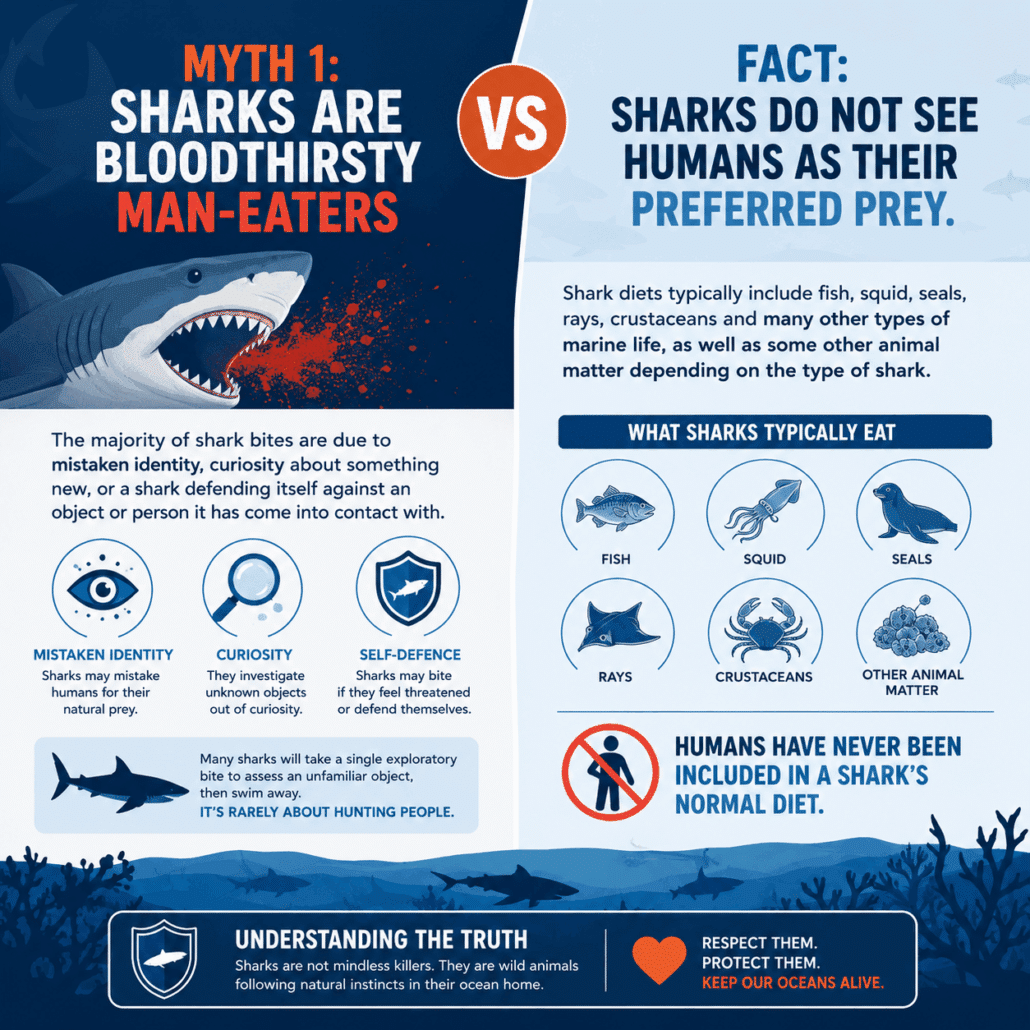
Myth 1: Sharks Are Bloodthirsty Man-Eaters
Fact: Sharks do not see humans as their preferred prey.
Perhaps the most common myth of them all. Shark diets typically include fish, squid, seals, rays, crustaceans and many other types of marine life, as well as some other animal matter depending upon the type of shark.
Humans have never been included in a shark’s normal diet.
The majority of shark bites are due to mistaken identity, curiosity about something new, or a shark defending itself against an object or person it has come into contact with. There are also numerous types of sharks that will investigate unknown objects by biting at them once to assess their nature (typically just one time), then swim away.

Myth 2: Every Shark Species Is Dangerous
Fact: Most shark species pose little or no threat to humans.
More than five hundred different shark species exist. While some are minuscule, like those found at great depths, others can be massive, such as the whale shark. Only a few have been implicated in attacks upon humans. Many are timid and will avoid divers entirely. Most are less than 30 cm long, consuming microscopic amounts of food (e.g., small fish, crabs, etc.). Others, including the whale shark, which is 12 meters long, consume plankton by filtering water through their gill slits as they swim. Most people will likely never see an example of these large predators in the wild.
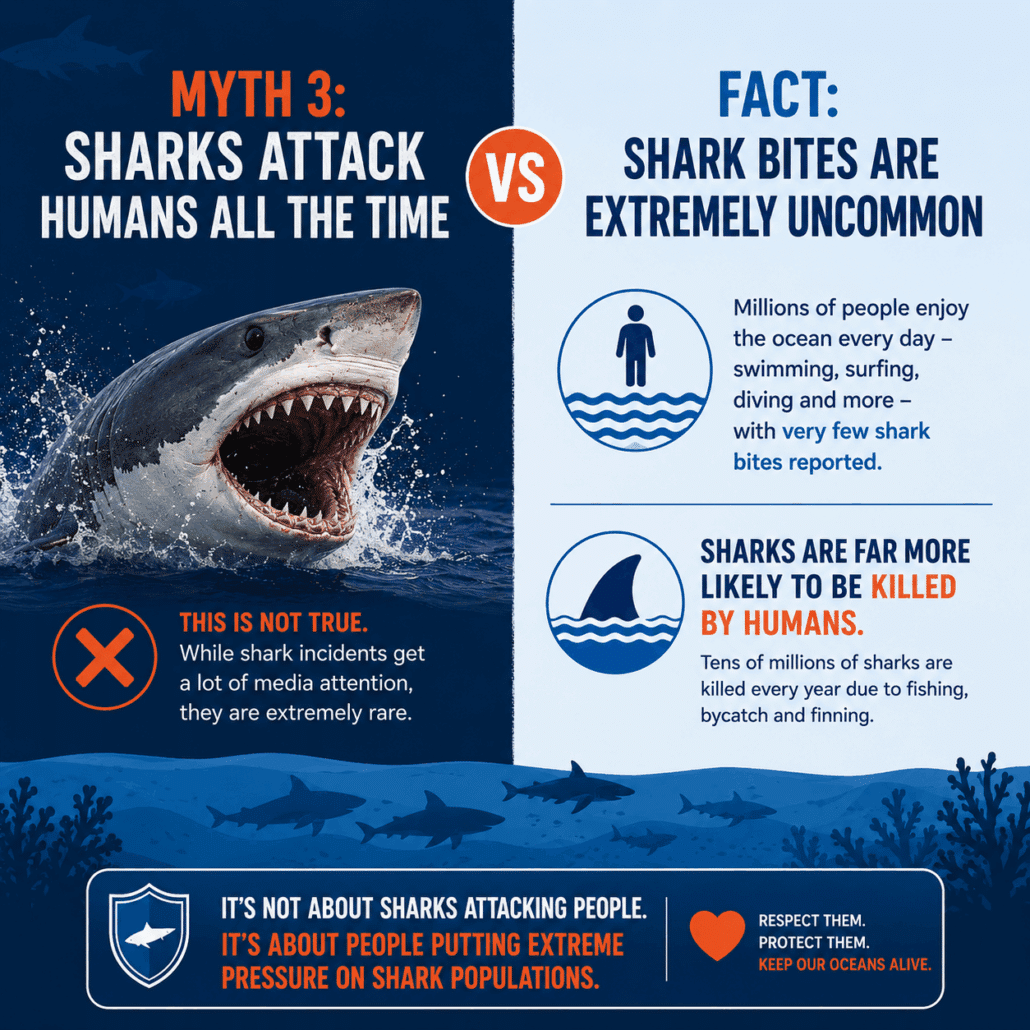
Myth 3: Sharks Attack Humans All the Time
Fact: Most shark species pose little or no threat to humans.
More than five hundred different shark species exist. While some are minuscule, like those found at great depths, others can be massive, such as the whale shark. Only a few have been implicated in attacks upon humans. Many are timid and will avoid divers entirely. Most are less than 30 cm long, consuming microscopic amounts of food (e.g., small fish, crabs, etc.). Others, including the whale shark, which is 12 meters long, consume plankton by filtering water through their gill slits as they swim. Most people will likely never see an example of these large predators in the wild.
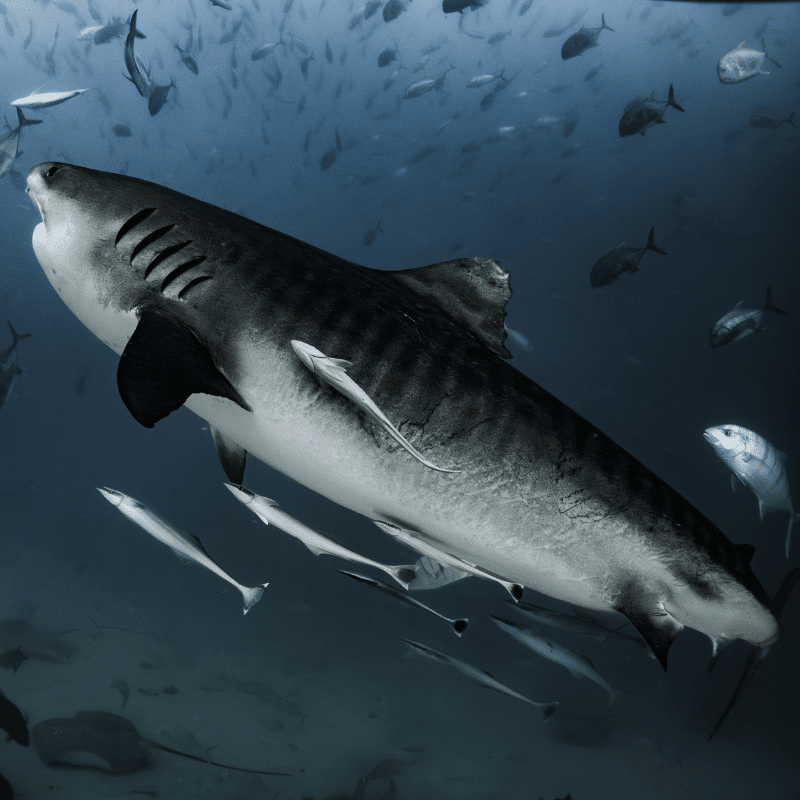
Myth 4: Sharks Never Stop Moving
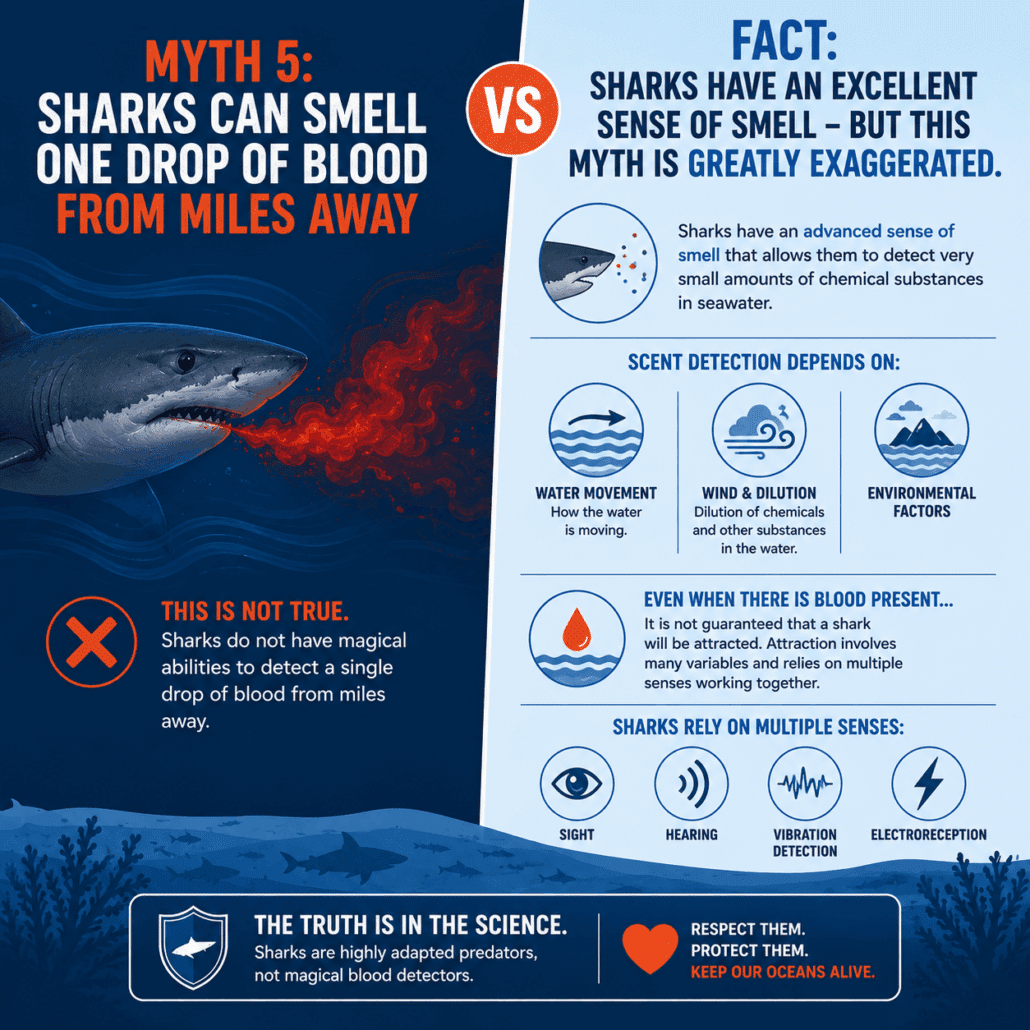
Myth 5: Sharks Can Smell One Drop of Blood from Miles Away
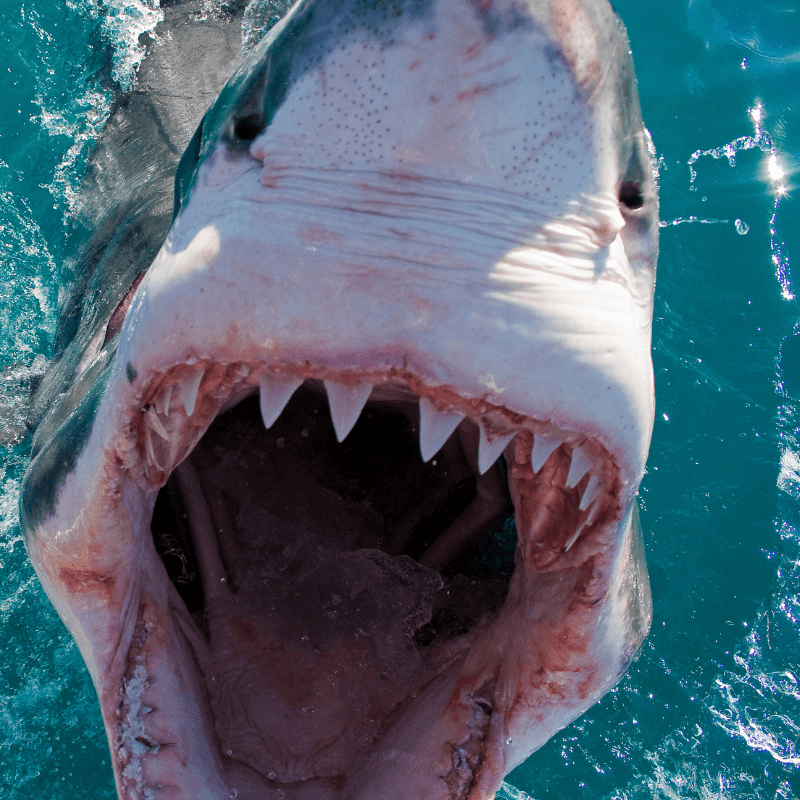
Myth 6: Sharks Are Mindless Killing Machines
Fact: Sharks display complex behaviour and intelligence.
Research shows that many shark species display a much higher level of intelligence than was ever before considered. They possess abilities such as problem-solving, curiosity, and learning behaviours, and each displays unique personality traits.
Many scientists believe that evidence indicates that some shark species can remember where they were fed previously, migrate thousands of miles, and respond differently (to the same stimuli) when encountering them on different occasions throughout their lives.
Additionally, there is documentation of some sharks displaying preferences for particular associates, further indicating an ability to develop more complex social behaviour than early researchers initially assumed.
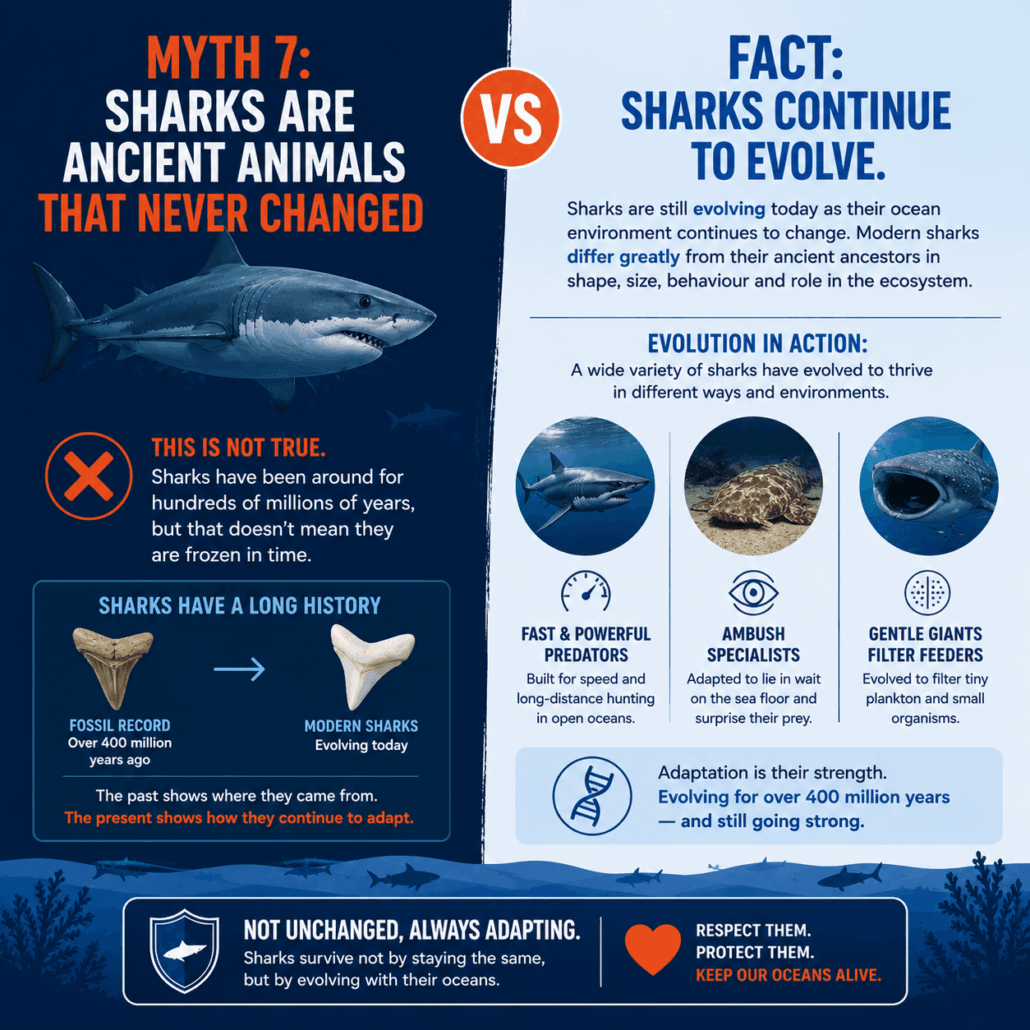
Myth 7: Sharks Are Ancient Animals That Never Changed
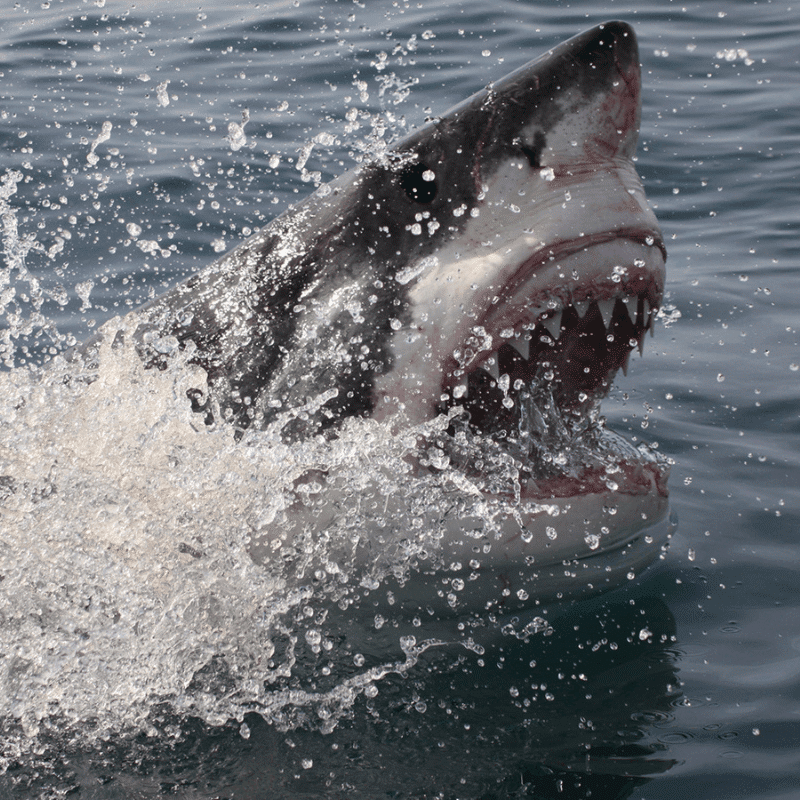
Myth 8: Sharks Are Cold-Blooded
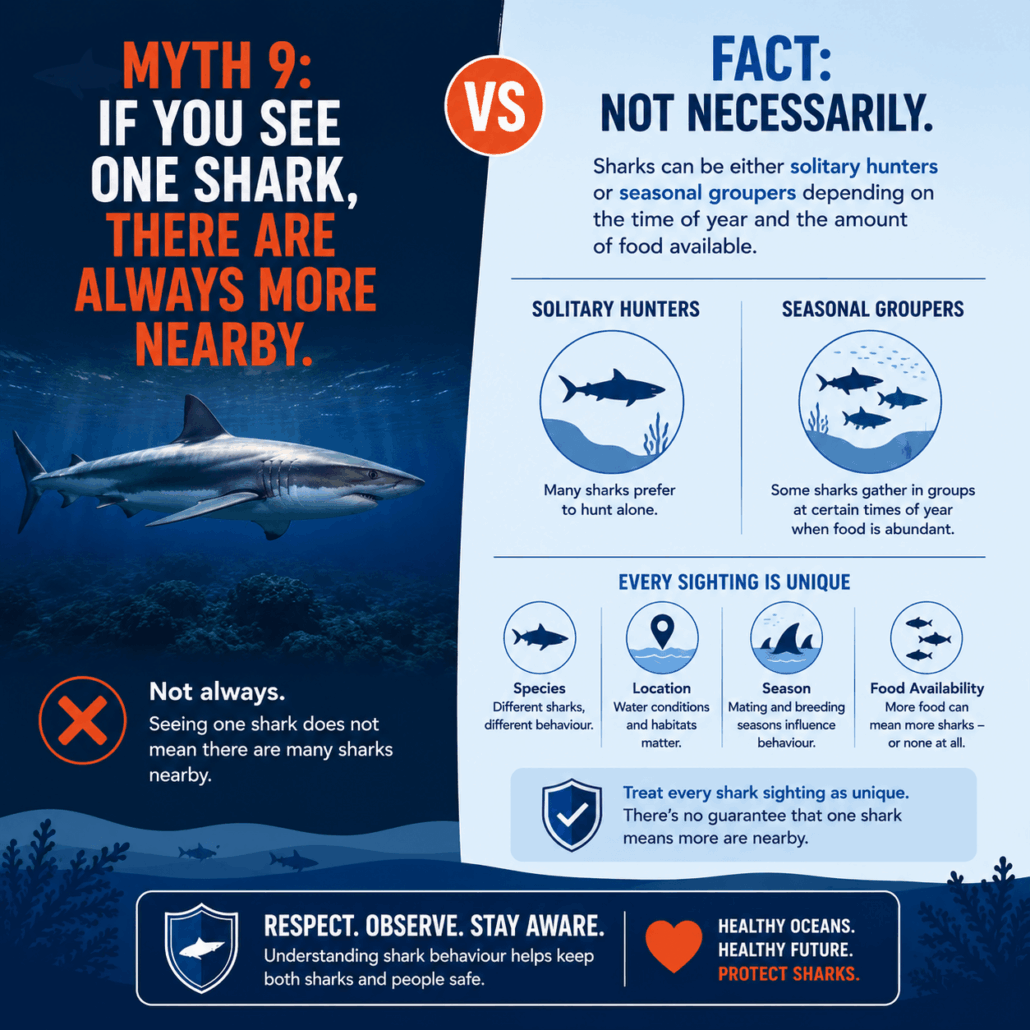
Myth 9: If You See One Shark, There Are Always More Nearby
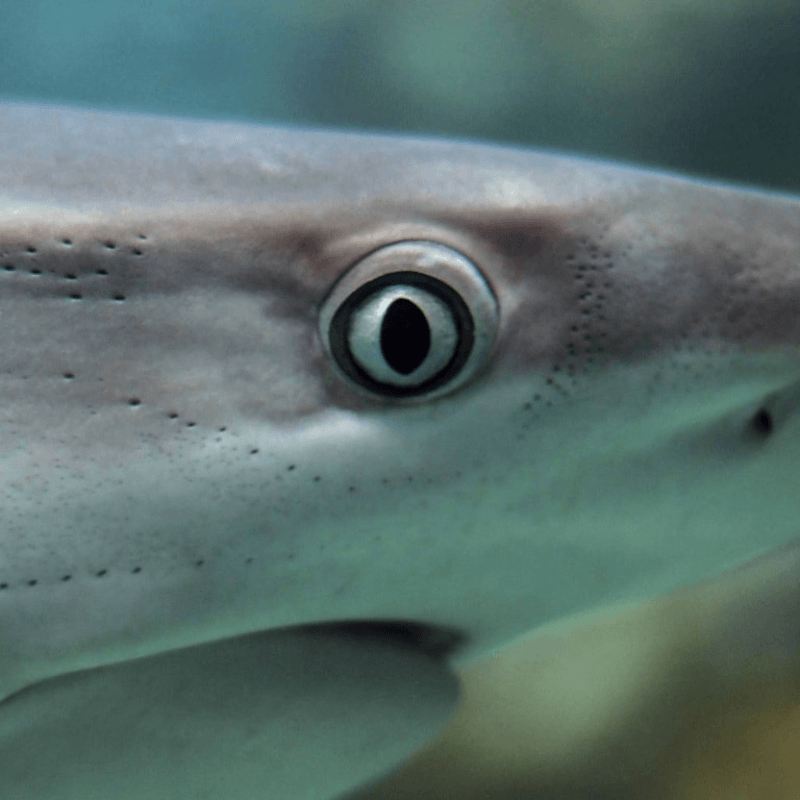
Myth 10: Sharks Have Poor Eyesight
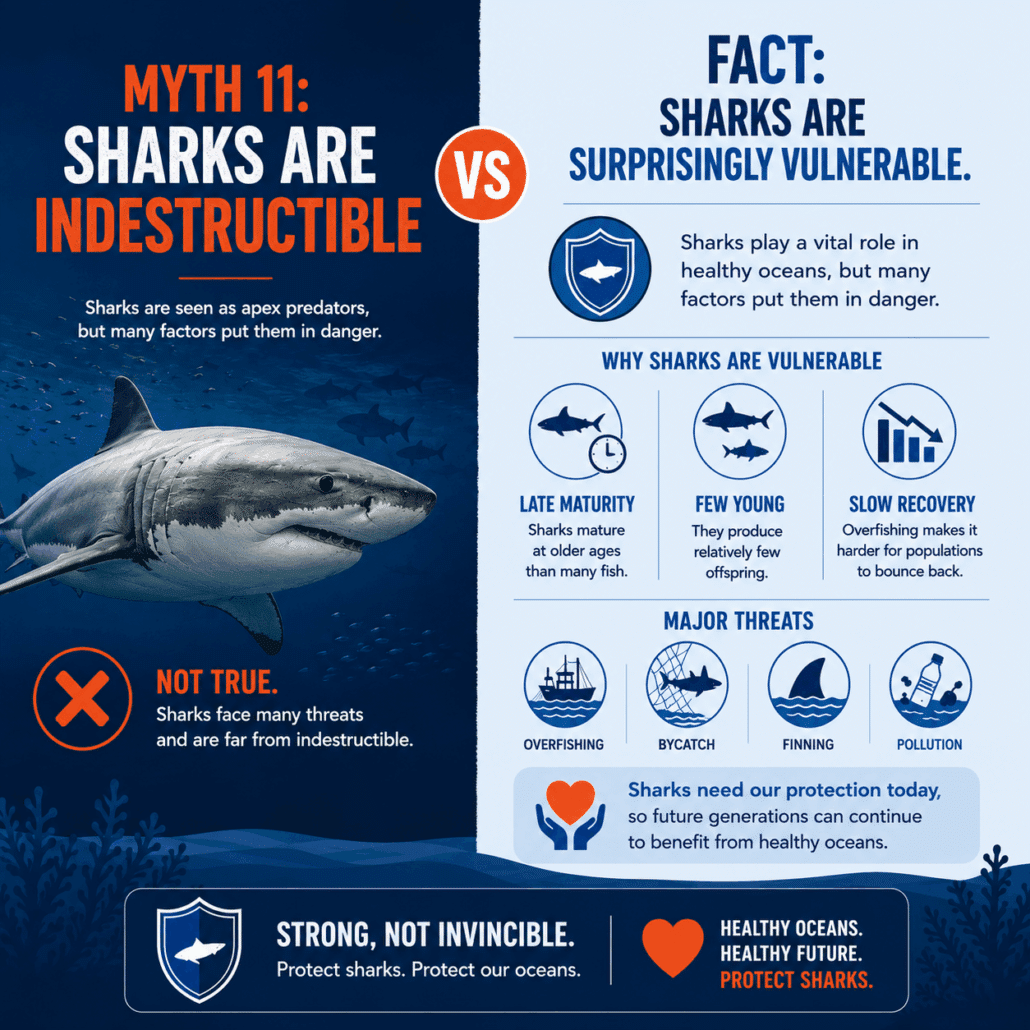
Myth 11: Sharks Are Indestructible
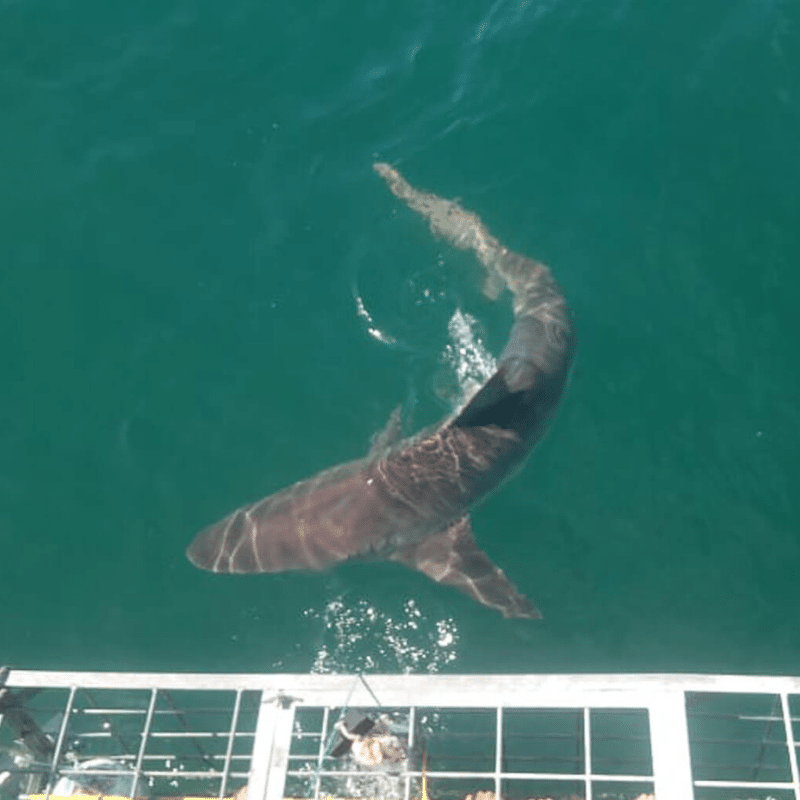
Myth 12: Shark Cage Diving Is Harmful to Sharks
Why Sharks Matter
Healthy shark populations are essential for maintaining a healthy balance within marine ecosystems. Sharks act as apex predators alongside many other predators (mesopredators), helping control prey populations and supporting healthy, functioning food webs. The presence of sharks also affects how marine animals behave; thus, they help prevent overgrazing in areas that would be damaged without regulation, e.g., seagrass beds or coral reefs.
If shark populations decline, it is likely to have cascading effects on marine ecosystems.
Ultimately, protecting sharks will protect numerous marine species.
How You Can Help Protect Sharks
- Support sustainable seafood choices.
- Avoid purchasing shark-derived products.
- Learn the facts about sharks and share accurate information.
- Support marine protected areas and conservation organisations.
- Choose responsible wildlife tourism operators.
- Reduce plastic pollution that enters the ocean.
- Respect marine wildlife during ocean activities.
Next time you hear a sensationalised shark story, think about how much more exciting the true nature of sharks really is. Learning about sharks and helping to conserve them will help these incredible animals survive into the future.