
How Scientists Discovered Cocaine Sharks in Coastal Waters
Phrases about cocaine in sharks seem to be the stuff movies are made of; however, it was reported that there were some traces of cocaine in wild sharks. The findings caused quite an uproar among scientists and became a worldwide topic of discussion in the environment and marine science. While sharks typically reside at the highest levels of their respective food chains and can appear to be powerful predators, they are sensitive to pollutants introduced by humans.

How Was Cocaine Found in Sharks?
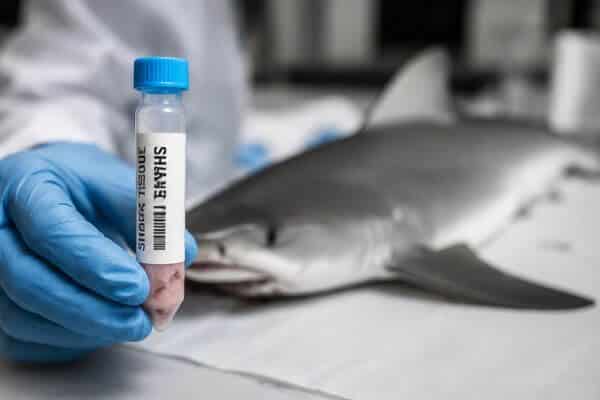
Scientists found traces of cocaine in some wild sharks during environmental assessments of pollutants in coastal waterways. During this assessment, lab testing on the shark’s tissues produced an unusual result: there were cocaine byproducts present in the shark’s tissue.
They have associated this research with multiple ways in which human pollution enters the ocean via the following:
- Illegal Drug Trafficking Routes
- Wastewater Treatment Plants
- Drainage from Rivers leading directly to the Oceans
- Human Generated Waste Pollution
- Dumping Illicit Drugs Due To Crime
Researchers indicated they were surprised at how much cocaine residue existed and made it clear that high-level pollutants are impacting marine ecosystems.
Why Would Sharks Have Cocaine in Their Bodies?
Sharks do not intentionally take medications; they pick up pollutants from their surroundings.
Marine animals are always around the sea while doing all of the following:
- Breathing
- Feeding
- Hunting for prey
- Absorbing chemicals through gills and tissue
As a result, when contaminated wastewater has a small amount of drugs or chemical substances in it, those chemical substances will build up inside marine life over time. This is called bioaccumulation.
Possible ways this happens:
- Contaminated Sewage Water
- Chemicals ingested by people can enter the sewer system. Most water treatment plants were built before many pharmaceuticals/narcotics were developed, so they cannot remove them completely.
- River Runoff
- Dirty rivers can flow directly into coastal areas where sharks live, carrying pollution.
- Illegal dumping of narcotics at Sea
- Sometimes authorities find dumped narcotics in ocean waters after a smuggling operation fails.
What Species of Sharks Were Studied?
Reports most often mention Brazilian Sharpnose Sharks. These are:
- Small coastal sharks
- Common in Atlantic waters close to Brazil
- Usually found near densely populated coasts
- They are exposed to humans and pollution
Because they live close to shore, they encounter polluted water more than sharks from the deep sea. Scientists often study coastal sharks because they can tell us a lot about the health of the environment.
Could Cocaine Affect Shark Behaviour?
Researchers are still studying the long-term effects of cocaine found in sharks. Scientists think pollutants and narcotics could affect marine animals in different ways.
Concerns include:
- Changes in hunting behavior
- Changes in movement patterns
- Higher stress levels
- Problems with reproduction
- Neurological impacts
- Disruption of hormones
At this point, there is no evidence that sharks become aggressive because of exposure to cocaine. Online headlines have often exaggerated results for entertainment. Scientists approach this issue seriously as an environmental pollution issue rather than sensationalising it as a story about sharks.
Why the Discovery Is Important
The importance of this find is that coastal sharks are important “indicator” species. Indicator species are animals closely tied to their nearshore habitats. These species have been known to indicate the extent of pollution within an ecosystem.
Because these sharks tested positive for large amounts of narcotics, it suggests a high level of pollutants from humans entering coastal environments.
There is concern about:
- The populations of fish
- Coral reef systems
- Marine biodiversity
- Coastal ecosystems
- The overall long-term health of oceans
Coastal sharks are commonly referred to as “indicators of ocean health”. Coastal sharks help scientists monitor the effects of direct human impact on marine ecosystems.

Cocaine Found in Sharks and Ocean Pollution
The ocean is vast, but pollution from other areas can travel long distances to reach it. Oceans are polluted every year by:
- Plastics that have been thrown away or dumped into the ocean
- Waste chemicals that have washed off land as run-off from rainstorms
- Remnants of pharmaceuticals and other medicines that humans used
- Petroleum-based products from oil spills
- Wastes from industrial processes
- Raw sewage that has not received treatment
Are Sharks the Only Animals Affected?
Scientists have discovered a variety of drugs and prescription medications throughout several types of marine life.
Around the globe, research has shown that there are pollutants present in:
- Fish
- Mussels
- Sea turtles
- Crustaceans
- Dolphins
- Birds at sea
Some known chemicals were found in the studies listed above:
- Antidepressant medication
- Antibiotic medicine
- Hormones (hormone replacement therapy)
- Prescription painkillers
- Caffeine
- Cocaine
Chemical contamination of the oceans is among the most significant hazards to ecosystems.
Could Humans Be Affected Too?
Most commercial seafood goes through regulatory processes for consumer safety; however, scientists continue to study how long-term pollution can affect global marine food chain dynamics. Cocaine contamination in a shark shows just how connected we are to our oceans. Eventually, what people dump down their sewers and rivers will be returned to marine ecosystems.

Why Sharks Need Healthy Oceans
Sharks are very important to maintaining balance in marine environments.
Some ways that sharks do this include:
- Controlling numbers of their prey species
- Removing sick or weakened predators from ecosystems (which prevents disease)
- Keeping ecosystems diverse by allowing for all different types of organisms to live together
- Helping keep food chains stable
If there were no sharks, most marine ecosystems would likely be out of balance.
However, sharks are being threatened by a variety of factors including:
- Overfishing
- Bycatch
- Destruction of habitat
- Climate Change
- Pollution with plastic
- Contamination of water
Another factor has now been added to those factors threatening the environment because researchers have found cocaine in sharks.
What Can Be Done to Reduce Ocean Pollution?
Despite sounding unusual, cocaine found in sharks points to a larger environmental issue. Reducing marine pollution requires action from governments, businesses and individuals. Important actions include:
- Improving treatment systems for wastewater
- Reducing runoff of chemicals
- Preventing illegal dumping
- Protecting marine habitats
- Supporting conservation of the environment
- Educating communities about the health of the oceans
Even small changes in lifestyle can help reduce pollution getting into waterways.
What This Discovery Teaches Us About the Ocean
The discovery of cocaine in sharks sounds unbelievable. But the presence of cocaine in sharks is an example of how seriously polluted we have become as a society. Pollution that gets into streams and rivers doesn’t just magically go away once it hits water. It often ends up in oceans, which creates many problems for marine animals in different ways than you might expect. Sharks are among the ocean’s top predators, and when you protect sharks, you protect the ecosystem that they keep balanced. Conservationists work to make sure our oceans remain healthy so our children and grandchildren will be able to enjoy their beauty and bounty. If you’re interested in shark research (marine biology), marine conservation, or meeting real sharks in South Africa, experiencing what is possible, great white shark cage diving firsthand is one way to build respect for these poorly understood fish.
Learn more with Shark Divers about all things related to shark species, ocean ecosystems and other marine adventures.