
South Africa’s Beautiful Leopard Catshark, Reef-Loving Mini Predator
Small and spotted, the Leopard catshark can be found in South Africa’s coastal waters, where it lives among rocks and seaweed forests. The Leopard catshark is a wonderful example of the many types of sharks that exist beyond the larger predatory sharks that dominate our oceans. In addition to its beautiful leopard-like patterns, the slender, timid nature of the Leopard catshark will help us understand the importance of small reef-dwelling sharks in maintaining balance in marine ecosystems.
What Is a Leopard Catshark?
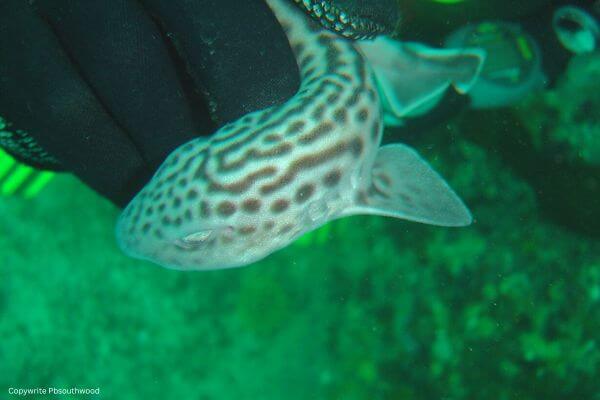
The Leopard catshark (Poroderma pantherinum), as its scientific name suggests, is a relatively small and colourful species of shark that inhabits the coastal waters of South Africa. This shark belongs to the catshark family. This family includes most of the smaller, bottom-dwelling sharks with elongated bodies and cat-like eyes.
Some also refer to this species as the panther catshark due to its distinct spotted colouration.
Here are a few quick points of interest regarding the Leopard catshark:
- Scientific Name: Poroderma pantherinum
- Average Length: up to 84 centimeters
- Habitat: shallow water in areas including reefs and sand-bottomed sections of the coast
- Diet: small fish, crustaceans and worms
- Temperament: shy and harmless to humans
Where Does The Leopard Catshark Live?
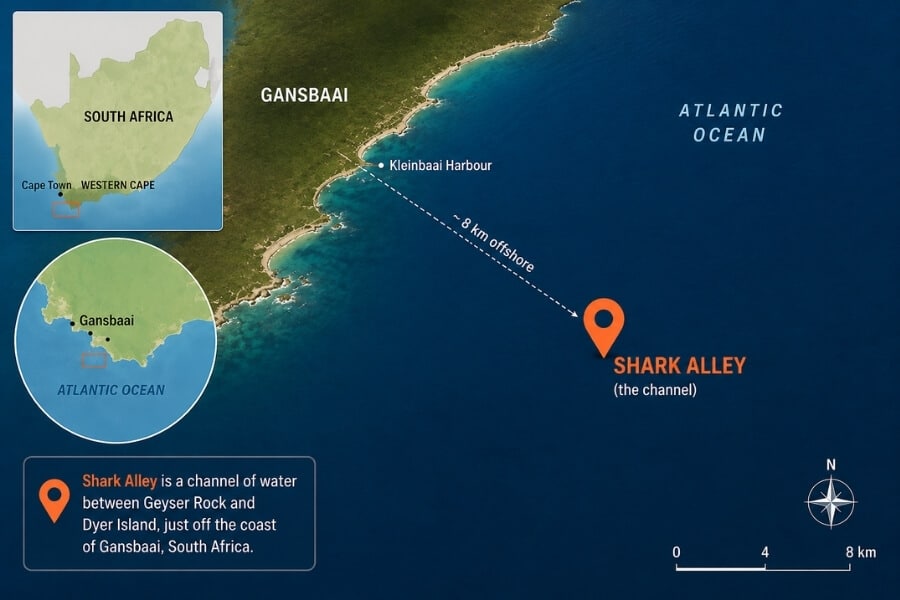
The Leopard catshark is endemic to South Africa; therefore, it is found nowhere else in the world. It is most commonly found in the following types of habitats:
- Rocky reef formations
- Kelp forest habitats
- Shallow coastal waterways
- Sandy sea floor habitats located near reefs
The catsharks’ preferred habitats are those that provide both hiding places and food. The catsharks rest throughout the day and become more active at night. This species does not swim across the open ocean as larger pelagic sharks do. Instead, it tends to stay relatively close to the bottom of the ocean. Its habitat in the Western Cape contributes to South Africa’s rich marine biodiversity.
How Can You Identify Leopard Catsharks?
Identification is one of the most interesting aspects of learning about marine animals.
To identify a leopard catshark, you can use the following characteristics:
1. The Distinctive Pattern
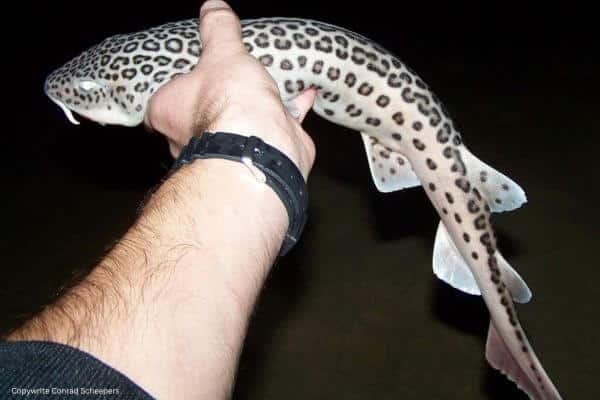
- Leopard catsharks have distinctive leopard-like spotted and saddle-shaped markings on their bodies.
- Individuals may vary slightly in spotting patterns and saddle shapes, but overall, the pattern is quite distinct.
2. The Long and Narrow Body
- They are long, thin, and flexible, which enables them to fit through small gaps within the reef.
- Their slender shape also makes it easier to weave through the reef formations.
3. The Oval-Shaped Pupils
-
The oval-shaped pupils of leopard catsharks help them to hunt effectively in dim light. Catsharks get their name because their long, glowing eyes look exactly like a house cat’s eyes. This is very different from larger predators like the bull shark, which have round pupils. The slit-like, oval shape allows the leopard catshark to control how much light enters its eyes, making it an excellent hunter in dark rocky caves and during the night.
4. They Are Relatively Small
- Leopard catsharks are relatively small when compared to larger coastal sharks.
- Most leopard catsharks are no longer than 1 meter.
This is beneficial because it allows the leopard catshark to hide among the rocks and coral, providing it with camouflage from both predators and potential prey.
What Do They Eat?
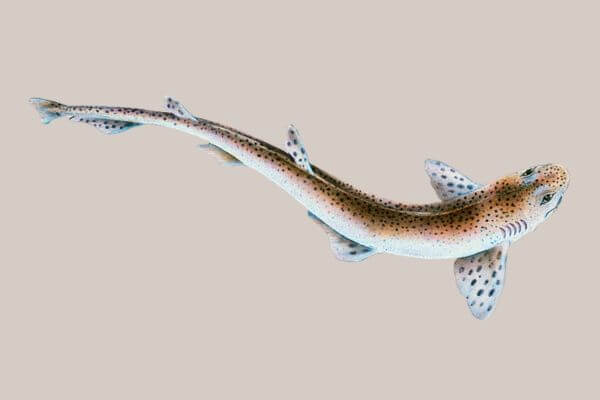
Bottom feeding is the leopard catshark’s diet. It does not chase after seals or larger fish. Instead, it consumes small prey found near the ocean floor.
Food sources of the leopard catshark include:
- Small bony fish
- Crustaceans and crabs
- Marine worms
- Squid
Because it eats near the sea floor, the diet of the leopard catshark will be made up of what is available from reefs and sandy seafloor environments. The fact that various shark species have evolved to specialise in distinct ecological niches demonstrates that sharks have evolved differently.
What Role Does The Leopard Catshark Play In The Food Chain?
Even though the Leopard catshark is a small shark, it plays an important role in its ecosystem.
The Leopard catshark contributes to several ecological functions:
- It regulates the populations of the small reef fishes that it eats.
- It maintains crustacean populations at levels that benefit their environment.
- It helps maintain balance in all reef ecosystems.
The Leopard catshark is considered a mesopredator; as such, it occupies a position in the middle of the food chain. The Leopard catshark feeds on smaller organisms, but it can also become prey for larger sharks. A delicate balance exists within marine ecosystems. A loss of mesopredators will destabilise the entire food chain.
Is The Leopard Catshark Protected?
The leopard catshark has been assessed as a low-risk species; however, all coastal shark species are subject to threats from human activities that degrade habitat, overfish, pollute, and capture them through commercial fishing practices (bycatch). Coastal sharks face a higher risk of threats than those living in the open ocean due to numerous human impacts along coastlines. Organisations that monitor coastal shark populations, such as the International Union for Conservation of Nature (IUCN), help track their conservation status.
Why Studying Small Sharks Like This Shark Species Matters
Students normally see the big picture of sharks when they hear about the Great White, or other larger species in their environment; however, there is a very large and important number of smaller, coastal species that have evolved in much the same way, and therefore offer an interesting example of the diversity of the shark evolutionary process.
- They also illustrate specialisation to habitats.
- They can illustrate reef ecosystem health.
- Researchers can use them to study biodiversity.
These examples remind students that not all sharks are giant predators; many are reef specialists with unique features, such as patterned skin and adaptations for life in reef ecosystems.
The Bigger Picture: South Africa’s Marine Biodiversity
The Leopard Catshark is just a single part of the diverse marine ecosystem in South Africa’s coastal waters, which also includes:
- Reef sharks
- Large pelagic predators
- Bottom-dwelling catsharks
- Seasonal migratory species
Each type of shark has its own habitat, from kelp forests to sandy bays, creating a highly complex and interconnected system of marine ecosystems.
Discover More About South Africa’s Sharks
A shark as small as the leopard catshark represents an even larger, wonderful reality: that many smaller shark species occupy unique places along South Africa’s coast. Each species of shark, whether a patterned reef specialist or a powerful coastal predator such as the copper shark, helps maintain the balance of marine ecosystems. Should your interest in learning about the Leopard catshark and other shark species from South Africa spark your interest, you will have opportunities to learn more about the wonders of the marine world and enjoy a variety of ocean-based experiences focused on marine conservation.