
Shark Navigation Through The Ocean Like Nature’s Navigators
People who watch shark documentaries often wonder about the shark navigation system that allows them to find their way through the ocean. Apex predators navigate long ocean distances without using navigation tools such as smartphones, maps, or Google Maps. Scientists study shark navigation, but most people oversimplify it as an ‘internal GPS.’ While sharks have remarkable navigation abilities, they do not navigate in the same precise way as a human-made GPS system.
How Does Shark Navigation Actually Work? With Built-In GPS?
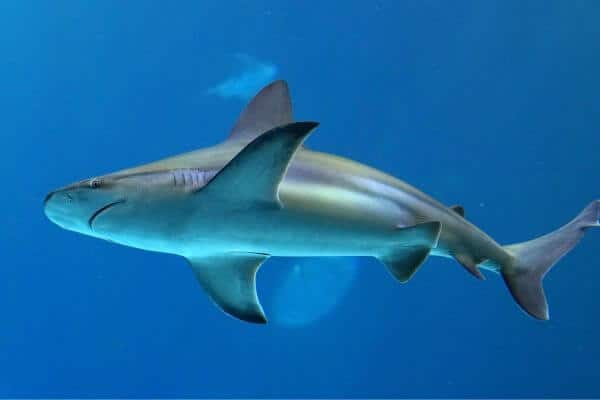
Sharks do not possess a technological GPS, but they have a biological navigation system that enables them to detect position and direction and measure distances in the ocean. Scientists believe sharks navigate using a combination of Earth’s magnetic field, chemical signals, water flow, the direction of sunlight, memory, and ocean floor topography (bathymetry). The combination of these elements enables various shark species to return to their annual feeding sites, breeding areas, and migration routes.
The Science Behind Sharks’ “Magnetic Map” Of The Ocean
The electroreceptors called ampullae of Lorenzini in sharks are small, jelly-filled pores located around the snout.
The shark’s pores of these sensors detect three types of signals:
- Electrical fields from prey
- Changes in water temperature (tiny fluctuations)
- Changes in Earth’s magnetic field
The magnetic sensitivity of sharks operates as a natural compass system. The magnetic sense of sharks enables them to:
- The sharks use their magnetic sense to determine their direction and stay on course.
- The sharks use their magnetic sense to track coastline signatures.
- The sharks use their magnetic sense to migrate between seasons with precise accuracy.
The shark operates without satellite navigation, yet their natural GPS functions similarly to a satellite-based navigation system.
Do All Sharks Have This “Built-In GPS”?
All sharks possess ampullae of Lorenzini, but different species depend on magnetic navigation to varying degrees. The largest sharks that travel long distances rely heavily on magnetic navigation.
Shark species known for strong navigation skills:
- Great white sharks migrate thousands of kilometres between South Africa and Australia.
- Tiger sharks – move between deep and shallow waters seasonally.
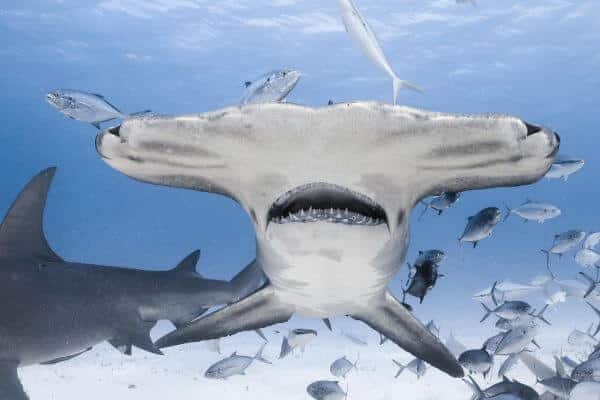
- Hammerhead sharks – known for precision coastal migrations
- Blue sharks – long-range open-ocean travellers
- Salmon sharks – navigate like migrating birds
These ocean predators demonstrate exceptional navigation abilities as they travel through extensive underwater networks with complete confidence.

How Far Can Sharks Travel Using Their Natural GPS?
Some species migrate through incredible distances:
- Great whites migrate more than 20,000 kilometres during their annual migration
- Blue sharks explore entire ocean basins
- Whale sharks migrate between different continents
- Tiger sharks have been known to swim across the Indian Ocean.
The sharks do not travel by chance during their migrations. Sharks use central navigation systems to guide their movements:
- Seasonal feeding patterns
- Mating routes
- Temperature changes
- Prey migrations
Their internal navigation systems operate underwater, guiding them on their journeys.
Are Sharks Born Knowing How To Navigate?
Shark pups enter the world as self-sufficient individuals, but scientists attribute their navigation skills to three development stages:
- Instinct (built-in from birth)
- Environmental learning
- Magnetic imprinting – similar to how sea turtles memorise beaches
Young sharks discover coastal areas by detecting magnetic signals, which help them build their own mental navigation system. The cognitive map they develop through exploration becomes their personal navigation system for the ocean.
Do Sharks Use Memory Along With Their GPS-Like Senses?
Yes, sharks have excellent long-term memory.
They remember:
- Migration routes
- Feeding hotspots
- Safe nursery areas
- Areas with substantial prey populations
- Regions they prefer seasonally
Sharks use their memory system, along with their magnetic sense, to navigate perfectly. Great whites visit Mossel Bay’s coastline annually because they remember their preferred locations.
Can Sharks Get Lost In The Ocean?
Surprisingly, yes, but it’s rare.
Sharks may become disoriented when:
- Large magnetic storms occur
- Ocean temperatures experience extreme shifts
- Human activities cause damage to the natural environment
The ocean pollution causes chemical signals to vanish. Sharks remain among the most dependable ocean travellers among all marine species.
What Role Does the Sun Play In Shark Navigation?
Scientists believe sharks employ sun position navigation in the same way that birds do during their migrations.
The system includes two separate navigation methods which work together:
- The sun’s position helps sharks determine their direction.
- The combination of shadow patterns and light angles enables sharks to measure distances.
- The combination of magnetic fields and the sun’s position allows sharks to maintain their navigation path.
The natural world provided sharks with multiple navigation systems which function like advanced marine GPS technology.
Dive Deeper Into The Ocean’s Most Fascinating Navigators
Sharks lack digital devices, yet their naturally built-in GPS enables them to become among the most skilled ocean travellers. The natural navigation abilities of sharks demonstrate the remarkable beauty of ocean life by allowing them to detect magnetic fields and track historical migration paths. If you are interested in tracking sharks and seeing sharks up close, find your shark diving destination and book your shark dive.