
Understanding the Name Behind The Bronze Whaler Shark
Sharks pop up often in talks between ocean lovers, shark enthusiasts, and divers wondering about the name of the bronze whaler. That tag seems odd at first, something out of legend. Yet hidden beneath lies a real tale shaped by sea and time. Its bronze hue catches light, shifting under the sun and the waves. People have seen it for ages, near shorelines where whales once passed by fleets. The word points to memories, old paths crossed between fish and folks. Once you know where the bronze whaler got its name, it becomes easier to see how it moves through the water. Its life as a predator comes into view, along with its role in coastal sea networks.
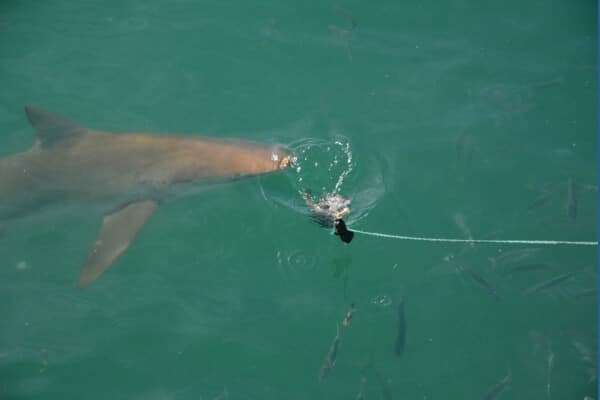
Why are these sharks named Bronze Whaler Sharks?
The bronze whaler shark gets its name from two key features:
- The shark’s tint is called “bronze,” describing its shine as old copper, dark gold, or almost copper-brown.
- A whaler once followed whaling ships, tied to ocean work near shore. Its name stuck because of that past role.
Sharks carry names built from appearance plus old meeting methods. That mix captures form along with historical contact ways.

Why are Bronze Whalers Also Named Copper Sharks?
Bronze whalers get named copper sharks because they shine like metal. When light hits them, their slick bodies turn bronze, copper, or gold, most visibly along the fins and flanks. Long ago, those who caught fish at sea or watched from shore named the shark. That bright hue, standing out in thin coastal layers, made the comparison stick.
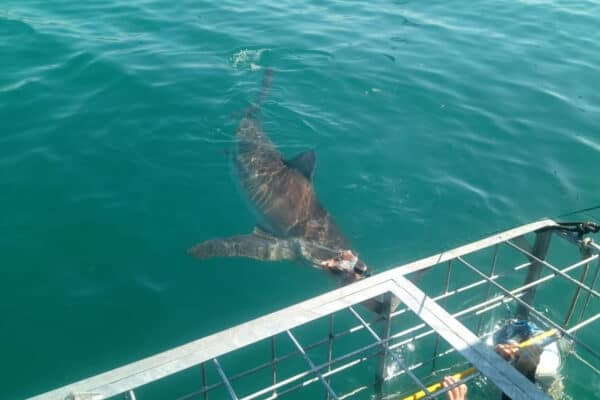
What Do Copper Sharks Eat?
The feeding behaviours of copper sharks follow an opportunistic pattern. The primary food sources of copper sharks include:
- Fish: The sharks feed on sardines, mullet, herring, and smaller species of sharks.
- Cephalopods: like squid and cuttlefish
- Crustaceans: particularly when young
- Young seals occasionally fall prey to copper sharks when these marine mammals are accessible and defenceless.
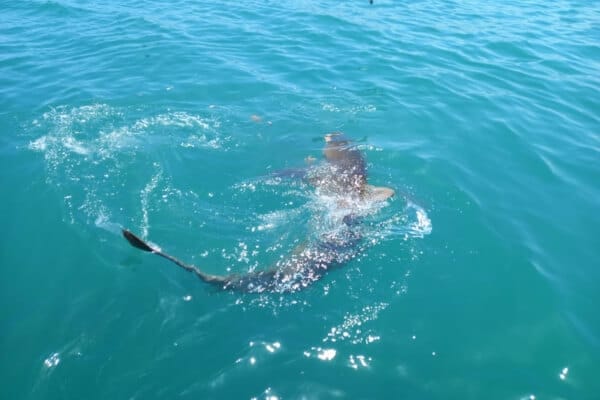
Copper Shark Behaviour
Copper sharks show social behaviour through their practice of joining feeding groups and following fish schools. The sharks show exceptional swimming power through their fast acceleration, but they move through the water with controlled slowness. The seasonal migration patterns of copper sharks differ from those of solitary species because they migrate differently. Copper sharks migrate to warmer waters during Southern Hemisphere summer before they move to peaceful waters during winter while travelling across long distances. The large predatory nature of copper sharks does not translate to aggressive behaviour when interacting with humans. The sharks maintain their dangerous predator status, which demands that human beings show appropriate caution. Most documented human-shark encounters stem from fishing incidents and cases where sharks lost their way or became agitated.
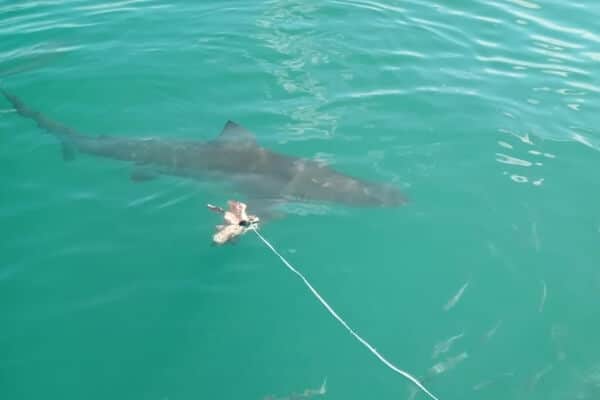
The Bronze Colouration Explained
Copper sharks show social behaviour through their practice of joining feeding groups and following fish schools. The sharks show exceptional swimming power through their fast acceleration, but they move through the water with controlled slowness. The seasonal migration patterns of copper sharks differ from those of solitary species because they migrate differently. Copper sharks migrate to warmer waters during Southern Hemisphere summer before they move to peaceful waters during winter while travelling across long distances. The large predatory nature of copper sharks does not translate to aggressive behaviour when interacting with humans. The sharks maintain their dangerous predator status, which demands that human beings show appropriate caution. Most documented human-shark encounters stem from fishing incidents and cases where sharks lost their way or became agitated.
The bronze whaler shark is known for its smooth, shiny body that often appears:
- Bronze
- Golden brown
- Copper-coloured in sunlight
Dark shades appear brightest along the shark’s spine and spread across its flanks, fading toward the belly. That warm bronze hue fits it well among sandy bottoms and dim waters.
- Sandy seabeds
- Shallow saltwater that lacks clear visibility
- Sunlit nearshore environments
Because it blends into its surroundings, the shark thrives as a sea predator – most clearly near shore, where water brightness shifts often.
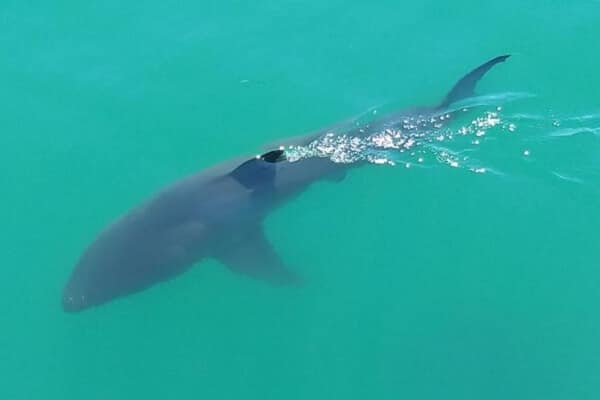
Why Is It Named a “Whaler” Shark?
The Historical Meaning of “Whaler”
Whale sharks, which are called sharks, never chase whales. Their name traces back to old times, not hunting habits.
During the 18th and 19th centuries:
- Out here, vessels targeting whales tend to toss excess parts into open water
- Sharks often trail vessels because food spills nearby during journeys at sea
- Sharks that often near whaling boats earned the name whaler sharks
Near those vessels, one type often seen was the bronze whaler, particularly close to shore.
Is the Bronze Whaler a Type of Whaler Shark?
Right there. The bronze whaler fits into a larger cluster, sharks called whaler sharks, one set also containing types like:
- Bull sharks
- Blacktips sharks
- Dusky sharks
These sharks have traits that look alike:
- Smooth forms
- Being able to swim well
- Coastal and shelf waters are preferred.
This shark stands out in size, its bronze whaler form shaped by strong musculature and deep-water habits.
Where Are Bronze Whaler Sharks Found?
From cold seas to tropical bays, bronze whaler sharks live in both warm and cool ocean zones across the planet. Found near:
- Southern Africa
- Australia
- New Zealand
- Parts of South America
They pop up a lot:
- Close to land, especially around coastlines
- Near where waves crash
- Across soft sand, under shallow reef stretches
Because they live near coasts, people often encounter these creatures as history unfolds.
Why Bronze Whalers Are Considered Ocean Predators
The fishing industry captures copper sharks through purposeful fishing methods and unintentionally during tuna and swordfish operations. The global shark fin trade values their fins, while numerous countries eat their meat. The species faces recreational fishing pressure from sport anglers.
The International Union for Conservation of Nature (IUCN) has classified the copper shark as Vulnerable because its populations continue to decrease across multiple regions of its habitat.
The biggest threats include:
- Overfishing
- Bycatch in tuna and swordfish fisheries
- Habitat degradation, particularly in coastal nursery areas
- Shark finning, where sharks are caught, finned, and discarded
Several regions have begun enhancing shark fishing management by implementing MPAs, adopting sustainable fishing methods, and improving shark fishing regulations. The species requires stronger international cooperation and improved enforcement systems to ensure its long-term survival.
The ocean contains copper sharks, which are one of its most intriguing yet least studied marine species. The protection of copper sharks is essential because of their attractive appearance, complex social behaviour, and their fundamental role in maintaining the ecosystem balance. People who enjoy diving, exploring nature, or understanding marine life will gain valuable ocean knowledge by studying these sharks.
The present threats to marine ecosystems need urgent action for the conservation of species, including the copper shark. The protection of these magnificent animals for future generations depends on responsible tourism, sustainable fishing methods, and public education initiatives.
Why Do People Still Use the Name “Bronze Whaler”?
The fishing industry captures copper sharks through purposeful fishing methods and unintentionally during tuna and swordfish operations. The global shark fin trade values their fins, while numerous countries eat their meat. The species faces recreational fishing pressure from sport anglers.
The International Union for Conservation of Nature (IUCN) has classified the copper shark as Vulnerable because its populations continue to decrease across multiple regions of its habitat.
The biggest threats include:
- Overfishing
- Bycatch in tuna and swordfish fisheries
- Habitat degradation, particularly in coastal nursery areas
- Shark finning, where sharks are caught, finned, and discarded
Several regions have begun enhancing shark fishing management by implementing MPAs, adopting sustainable fishing methods, and improving shark fishing regulations. The species requires stronger international cooperation and improved enforcement systems to ensure its long-term survival.
The ocean contains copper sharks, which are one of its most intriguing yet least studied marine species. The protection of copper sharks is essential because of their attractive appearance, complex social behaviour, and their fundamental role in maintaining the ecosystem balance. People who enjoy diving, exploring nature, or understanding marine life will gain valuable ocean knowledge by studying these sharks.
The present threats to marine ecosystems need urgent action for the conservation of species, including the copper shark. The protection of these magnificent animals for future generations depends on responsible tourism, sustainable fishing methods, and public education initiatives.
Understanding Bronze Whalers
The fishing industry captures copper sharks through purposeful fishing methods and unintentionally during tuna and swordfish operations. The global shark fin trade values their fins, while numerous countries eat their meat. The species faces recreational fishing pressure from sport anglers.
The International Union for Conservation of Nature (IUCN) has classified the copper shark as Vulnerable because its populations continue to decrease across multiple regions of its habitat.
The biggest threats include:
- Overfishing
- Bycatch in tuna and swordfish fisheries
- Habitat degradation, particularly in coastal nursery areas
- Shark finning, where sharks are caught, finned, and discarded
Several regions have begun enhancing shark fishing management by implementing MPAs, adopting sustainable fishing methods, and improving shark fishing regulations. The species requires stronger international cooperation and improved enforcement systems to ensure its long-term survival.
The ocean contains copper sharks, which are one of its most intriguing yet least studied marine species. The protection of copper sharks is essential because of their attractive appearance, complex social behaviour, and their fundamental role in maintaining the ecosystem balance. People who enjoy diving, exploring nature, or understanding marine life will gain valuable ocean knowledge by studying these sharks.
The present threats to marine ecosystems need urgent action for the conservation of species, including the copper shark. The protection of these magnificent animals for future generations depends on responsible tourism, sustainable fishing methods, and public education initiatives.
To continue exploring shark science, ocean predators, and the rich marine life found along South Africa’s coastline, you can visit our informative shark facts blog category. It’s a valuable starting point for learning more about local shark species, coastal ecosystems, and the role these remarkable marine hunters play in keeping our oceans healthy.
Copper Shark Diving and Shark Tourism in South Africa
The waters of South Africa welcome ecotourists who want to observe copper sharks through shark cage diving and snorkelling activities. The friendly nature of copper sharks makes them the preferred choice for underwater photographers and thrill-seekers instead of the famous great white shark.
The copper shark-based tourism industry generates economic value for local communities while simultaneously spreading knowledge about shark conservation needs. People who experience these magnificent creatures firsthand usually transform their fear of sharks into fascination.
The experience of diving in a shark cage with Copper Sharks in Gansbaai or Cape Town allows you to observe these ocean predators in their natural habitat while experiencing their powerful elegance. The experience provides both thrill-seekers and nature enthusiasts with enduring memories while deepening their understanding of these remarkable ocean creatures. The experienced operators provide safe, educational, and unforgettable experiences for all their South African shark tours.
Book your Copper Shark cage diving experience through Shark Divers to experience why Gansbaai and Cape Town waters are globally recognised for their shark viewing opportunities amongst other South African shark diving hotspots.